
New Electric Car: A Deep-Dive Into Technology, Charging, Costs, and Real Ownership
Discover what defines a new electric car, explore battery chemistry, charging standards, real-world range, incentives, and ownership strategies to decide if an EV fits your life.
Modern EVs combine advanced battery technology, sophisticated software, expanding charging networks, and increasingly competitive pricing.
Explore the expanding world of 2025 electric SUV models and learn range, pricing, charging networks, incentives, and battery tech.
See How a New Electric Car Actually Works 🧠
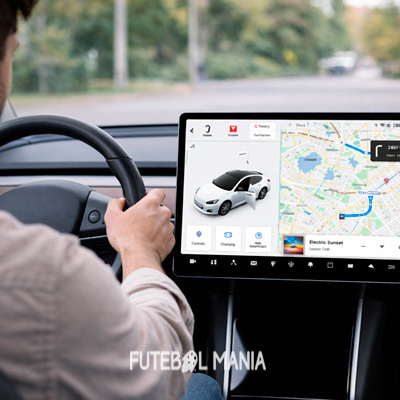
A new electric car replaces the internal combustion engine with one or more electric motors powered by a high-voltage battery pack.
Electricity is stored chemically and converted into mechanical energy with far greater efficiency than gasoline engines.
Core operating principles of a new electric car include:
- High-voltage lithium-based battery pack
- Electric motor(s) delivering instant torque
- Power electronics managing energy flow
- Regenerative braking systems that recharge the battery
Discover the best electric cars SUV models of 2025!

Battery Chemistry and Energy Storage Explained 🔋
Battery technology defines the usability of a new electric car. Most EVs rely on lithium-ion chemistry, but variations exist that influence cost, range, and longevity.
Different chemistries balance energy density, thermal stability, and charging behavior. Manufacturers choose battery types based on vehicle size, target price, and performance goals.
Common EV battery chemistries include:
- Lithium Nickel Manganese Cobalt (NMC) for high energy density
- Lithium Iron Phosphate (LFP) for durability and cost control
- Lithium Nickel Cobalt Aluminum (NCA) for performance-oriented EVs
Battery Chemistry Comparison Table for New Electric Cars 📊
| Battery Type | Key Strength | Typical Use Case |
| NMC | High range potential | Midsize and premium EVs |
| LFP | Long cycle life and safety | Entry-level EVs |
| NCA | High performance | Performance-focused EVs |
Real-World Range and Efficiency Factors 🚗
The advertised range of a new electric car often differs from real-world driving results. Range is influenced by driving style, speed, climate, terrain, and vehicle load.
Cold weather can reduce range due to battery chemistry limitations, while highway driving at high speeds increases energy consumption.
Urban driving often yields better efficiency due to regenerative braking.
Key factors affecting real-world range include:
- Driving speed and acceleration patterns
- Ambient temperature and climate control use
- Vehicle weight and aerodynamics
- Tire choice and road conditions
Understanding these variables helps buyers set realistic expectations.
New Electric Car Charging Standards and Infrastructure in the U.S. 🔌
Charging access is central to the usability of a new electric car. The U.S. charging ecosystem includes home charging, workplace chargers, and public networks.
Standardization is improving, with fast-charging networks expanding along major highways. Most EVs now support DC fast charging for long-distance travel.
Primary charging standards include:
- AC Level 1 and Level 2 charging for home and workplace use
- DC fast charging standards for rapid replenishment
Charging Speed Comparison Table 📊
| Charging Method | Typical Time to Add 200 Miles |
| Level 1 | 20–30 hours |
| Level 2 | 6–10 hours |
| DC Fast Charging | 20–40 minutes |
See why the Tesla Model Y continues to dominate the EV segment in 2025, combining strong range, advanced safety, and modern design.
Cost of Ownership and Long-Term Financial Impact 💰
The ownership economics of a new electric car differ significantly from gasoline vehicles. While purchase prices may be higher, operating costs are typically lower.
Electricity costs per mile are generally lower and more stable than gasoline prices. Maintenance expenses are reduced due to fewer mechanical components and no oil changes.
Cost advantages commonly associated with EV ownership include:
- Lower energy cost per mile
- Reduced maintenance requirements
- Potential federal and state incentives
- Strong residual values for popular models
Environmental Impact and Energy Sources 🌱
A new electric car produces zero tailpipe emissions, improving air quality in urban areas. Overall environmental impact depends on how electricity is generated.
As renewable energy adoption increases, the lifecycle emissions of EVs continue to decline. Battery recycling initiatives further reduce environmental impact over time.
Software, Connectivity, and Vehicle Intelligence 📱
Modern EVs rely heavily on software. A new electric car often includes advanced driver assistance systems, digital dashboards, and over-the-air updates.
Software-defined vehicles can improve efficiency, add features, and enhance safety throughout ownership without dealership visits.
Key software-driven features include:
- Over-the-air updates
- Advanced driver-assistance systems
- Smart energy management
- Integrated navigation with charging planning
New Electric Car vs Hybrid vs Gasoline Vehicles 🆚
Choosing a new electric car often involves comparing EVs with hybrids and traditional vehicles.
Powertrain Comparison Table 📊
| Vehicle Type | Fuel Use | Maintenance | Emissions |
| Electric | Electricity only | Low | Zero tailpipe |
| Hybrid | Gas + electric | Medium | Reduced |
| Gasoline | Gasoline | High | CO₂ emissions |
Why a New Electric Car Represents the Future of Driving 🚀
The new electric car represents a shift toward smarter, cleaner, and more efficient transportation. Improvements in batteries, charging, and software continue to enhance usability.
For buyers planning ahead, electric vehicles align with regulatory trends, technological progress, and evolving consumer expectations.
FAQ ❓
- How long do electric car batteries last?
- Most EV batteries are designed to last 8–15 years, depending on use and climate.
- Is charging an electric car expensive?
- Charging is generally cheaper than gasoline, especially at home.
- Does cold weather affect electric car range?
- Yes, cold temperatures can temporarily reduce range.
- Can I take long road trips in a new electric car?
- Yes, with fast-charging networks enabling long-distance travel.
- Are electric cars better for the environment?
- EVs produce no tailpipe emissions, reducing local pollution.
