
Electric Car Price Range in the US: Choose the Right EV Tier With Confidence
Compare the electric car price range in the United States with updated data, realistic budgets, and strategic insights designed to help you avoid overpaying and select an EV aligned with your lifestyle.
The electric car price range in the United States has evolved into a broad and complex spectrum that reflects advances in technology and incentives.
Buyers now face decisions that go far beyond initial purchase price, involving charging infrastructure, depreciation, and total cost of ownership.
Explore how electric car Chevrolet models are reshaping the EV market in the United States with real-world range and competitive pricing.
How the electric car price range is structured in the current US market ⚡
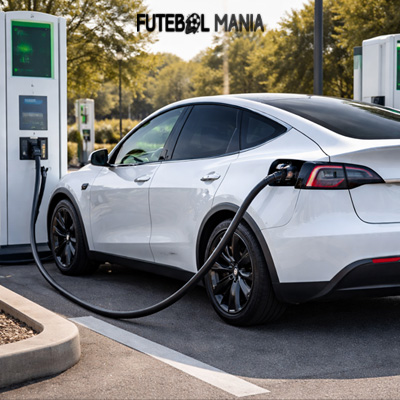
In 2025, electric vehicles in the US generally fall into three well-defined pricing tiers.
Each tier reflects a combination of range capability, vehicle size, performance output, and technological sophistication.
Recognizing this structure helps buyers quickly narrow options, evaluate value-for-money, and avoid paying premium prices for features that do not match real-world usage.
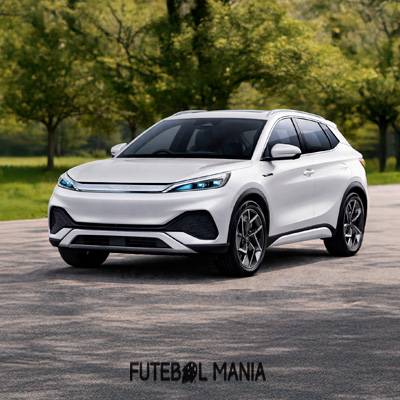
Entry-level electric car price range for first-time EV buyers 🔋
Entry-level electric vehicles typically occupy the $20,000 to $32,000 bracket when incentives and used inventory are considered.
This tier is designed primarily for urban driving, daily commuting, and cost efficiency.
These models emphasize affordability and low operational expenses, making the lower EV prices especially attractive for drivers transitioning from gasoline vehicles.
Budget-friendly EV models within the lower electric car price range 🚗
Several models define this segment by offering practical range and essential technology at accessible prices.
- Chevrolet Bolt EV – priced around $26,500, delivering roughly 259 miles of range and strong reliability.
- Nissan Leaf – starting near $28,000, ideal for city-focused drivers with moderate range needs.
- Mini Cooper SE – approximately $30,000, targeting buyers who value design and compact dimensions.
Although these vehicles may not support ultra-fast charging or extended highway travel, they perform exceptionally well for short-to-medium daily use within the lower electric car price range.
Used electric vehicles and depreciation advantages 💰
The used EV market significantly expands affordability. Early-generation electric cars experience faster depreciation, creating opportunities for value-driven buyers.
- Used Nissan Leaf models often sell between $14,000 and $18,000.
- Pre-owned Chevrolet Bolt EVs typically range from $16,000 to $20,000.
- BMW i3 used pricing frequently falls between $15,000 and $19,000.
Within the entry-level electric car price range, used EVs offer excellent value, provided buyers carefully assess battery condition and remaining warranty coverage.
Mid-tier electric car price range offering the best value balance 🔌
Mid-tier electric vehicles generally fall between $32,000 and $55,000 and represent the core of the US EV market.
This segment balances driving range, charging speed, technology, and resale stability.
For many households, this tier delivers the most practical and financially sustainable ownership experience within the electric car price range.
Best-selling mid-range EVs and price positioning ⚙️
This segment includes some of the most recognizable electric models on American roads.
- Tesla Model 3 – priced from $38,000 to $45,000 depending on range and drivetrain.
- Tesla Model Y – starting around $44,000, combining SUV versatility with strong demand.
- Hyundai Ioniq 5 – ranging from $41,000 to $52,000, known for fast charging architecture.
- Ford Mustang Mach-E – priced between $43,000 and $57,000 across trims.
These models dominate the mid-level electric car price range because they meet the needs of commuters, families, and long-distance drivers alike.
| Model | Base Price | Estimated Range | DC Fast Charging |
| Tesla Model 3 | $38,000 | 272–333 miles | Up to 250 kW |
| Tesla Model Y | $44,000 | 279–330 miles | Up to 250 kW |
| Hyundai Ioniq 5 | $41,000 | 266–303 miles | Up to 235 kW |
| Ford Mach-E | $43,000 | 247–312 miles | Up to 150 kW |
Premium electric car price range focused on performance and innovation 🏎️
Premium electric vehicles typically start around $60,000 and extend well beyond $100,000.
These models prioritize acceleration, advanced driver-assistance systems, luxury materials, and cutting-edge software.
While the upfront cost is higher, premium EVs offer technological leadership and strong brand appeal within the upper EV prices.
Luxury EV models and their market positioning 🚀
High-end EVs push the boundaries of performance and comfort.
- Tesla Model S – priced from $75,000 to over $100,000 for high-performance variants.
- Tesla Model X – starting near $80,000 with expansive interior space.
- BMW iX – approximately $85,000, blending luxury with modern design.
- Mercedes-Benz EQS – ranging from $105,000 to $130,000 depending on configuration.
These vehicles define the premium EV prices, offering rapid acceleration and advanced infotainment systems.
Table: Premium electric car price range and performance benchmarks
| Model | Starting Price | 0–60 mph | EPA Range |
| Tesla Model S | $75,000 | 3.1 sec | 405 miles |
| Tesla Model X | $80,000 | 3.8 sec | 333 miles |
| BMW iX | $85,000 | 4.4 sec | 324 miles |
| Mercedes EQS | $105,000 | 4.1 sec | 350 miles |
Key cost factors shaping the electric car price range in practice 🔍
Several elements influence real-world EV costs beyond MSRP. Federal incentives up to $7,500, state rebates, electricity pricing and home charging installation all affect ownership economics.
In addition, leasing structures and manufacturer subsidies can reposition vehicles within the EV prices, making some higher-priced EVs more affordable on a monthly basis.
Understand how an electric car 4 wheel drive works and choose a model that fits your climate, driving style, and long-term ownership goals.
How to select the right electric car price range based on driving habits 📊
Choosing the correct EV tier depends heavily on daily mileage, access to charging, and budget flexibility.
Short-distance drivers may find entry-level EVs sufficient, while frequent travelers benefit from mid-tier models with fast charging.
Luxury EVs cater to buyers seeking performance and innovation, but long-term depreciation should be considered carefully.
Matching lifestyle needs to the appropriate EV prices ensures satisfaction without unnecessary expense.
Navigating the electric car price range as the EV market matures 🔮
The EV prices in 2025 reflects a rapidly maturing market where affordability, capability, and innovation coexist.
As competition increases, buyers gain more leverage and choice across all tiers.
Understanding this pricing landscape empowers consumers to approach EV ownership strategically, selecting vehicles that align with real-world needs.
FAQ ❓
- What defines an entry-level electric car in the US?
- Entry-level EVs typically cost under $32,000 and focus on urban commuting with moderate driving range.
- Which electric car price range offers the best overall value?
- The mid-tier range between $32,000 and $55,000 generally provides the best balance of range, technology, and resale.
- Are used electric vehicles a good investment?
- Used EVs can be excellent value options due to depreciation, especially when battery health is verified.
- Why are luxury electric vehicles more expensive?
- Premium EVs include advanced performance systems, luxury materials, and cutting-edge technology.
- Will EV prices continue to decline in the future?
- Growing competition and battery innovation are expected to gradually reduce prices over time.
