
Jeep Wagoneer Lease Deals and How to Secure Smarter Full-Size SUV Leasing in the U.S.
Learn how Jeep Wagoneer lease deals work in real dealership scenarios and discover what truly defines a strong lease offer in the U.S. market.
The Jeep Wagoneer stands out in the American market as a full-size SUV that blends luxury, interior space, and towing capability.
With pricing firmly in the premium segment, leasing has become one of the most common strategies for drivers who want access without committing to long-term ownership.
Plan your vehicle purchase with confidence using car financing online, interest rates, and payment structures that fit your income.
Understand the Real Cost Structure of a Jeep Wagoneer Lease Deals 📊
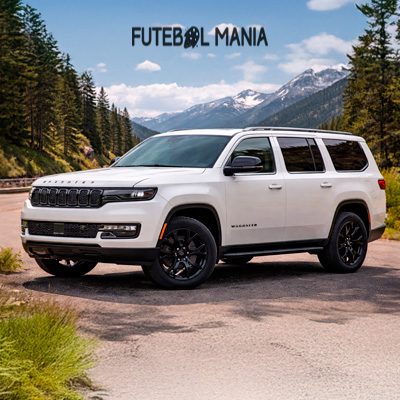
A lease payment is composed of depreciation charges, financing costs, and fees. For a vehicle like the Wagoneer, depreciation represents the largest portion of the monthly payment.
Residual value projections play a critical role in shaping lease costs. When residuals are strong, lessees benefit from lower depreciation charges.
This explains why Jeep Wagoneer lease deals can vary significantly depending on model year, trim level, and market conditions.

Capitalized Cost Reduction and Negotiation Leverage 💼
The capitalized cost is the negotiated price used to calculate lease depreciation. Many consumers focus on advertised monthly payments while overlooking this variable.
Negotiating the capitalized cost works similarly to negotiating a purchase price. Manufacturer incentives, dealer discounts, and timing all influence this figure.
A lower capitalized cost directly improves lease efficiency and reduces total out-of-pocket expense.
For Wagoneer leases, price negotiation often has a greater impact than changes to lease term or mileage limits.
Lease Term Strategy and Mileage Planning 🚗
Choosing the correct lease term is essential for aligning cost and usage.
Shorter terms offer flexibility but increase monthly payments, while longer terms reduce monthly cost but increase exposure to wear and mileage penalties.
Common Wagoneer lease configurations include:
- 24-month leases, minimizing long-term commitment
- 36-month leases, offering the best balance for most drivers
- 39-month leases, sometimes used to advertise lower payments
Mileage allowances typically range from 10,000 to 15,000 miles per year, and selecting an accurate estimate helps prevent costly overage fees.
Jeep Wagoneer Lease Deals Payment Ranges by Driving Profile 💵
Evaluating lease offers by driving profile provides more clarity than comparing headline prices alone.
| Driving Profile | Lease Term | Mileage | Est. Monthly Range |
| Low-mileage household | 36 months | 10,000 miles | $720–$880 |
| Average family use | 36 months | 12,000 miles | $760–$920 |
| Frequent driver | 39 months | 15,000 miles | $820–$1,050 |
Incentive Timing and Regional Variability 🏦
Jeep adjusts lease incentives throughout the year based on inventory levels and demand. Lease support often improves during model-year transitions or periods of excess supply.
Comparing offers across multiple dealerships can reveal significant differences in effective lease cost, even within the same metropolitan area.
Monitoring incentive cycles often delivers better results than focusing solely on monthly payment negotiations.
Managing Lease-End Risk and Flexibility 🔑
Lease-end conditions can significantly affect total lease cost. Excess mileage, abnormal wear, or early termination fees may erode perceived savings.
Some lessees explore lease buyout options at the end of the term, particularly if used vehicle market values exceed residual pricing.
Others transition directly into a new lease, leveraging loyalty incentives to reduce upfront costs. Strategic planning before lease expiration helps preserve financial flexibility.
Understand how auto loan pre approval allows you to define limits, avoid financial pressure, and approach dealerships with confidence.
Leasing Versus Financing the Jeep Wagoneer 📈
Leasing emphasizes flexibility and predictable expenses, while financing favors long-term ownership.
For the Wagoneer, leasing often appeals to drivers who upgrade vehicles frequently or prefer warranty coverage throughout their usage period.
Drivers with high annual mileage or plans to keep the SUV long-term may find financing more economical despite higher monthly payments.
A Practical Approach to Jeep Wagoneer Lease Deals 🚀
Jeep Wagoneer lease deals provide structured access to a premium full-size SUV when evaluated with a clear understanding of residual values, capitalized cost, and incentive timing.
Approaching leasing as a financial strategy rather than a payment-driven decision allows consumers to secure agreements that align with both budget and lifestyle.
FAQ ❓
- Are Jeep Wagoneer lease deals negotiable?
- Yes, selling price, incentives, and mileage limits can often be negotiated.
- Do lease payments change by trim level?
- Higher trims usually carry higher payments due to increased MSRP.
- Is a down payment required for a Wagoneer lease?
- Not always, but upfront payments can reduce monthly cost.
- What happens if I exceed the mileage limit?
- Excess mileage fees apply and can increase total lease cost.
- Does leasing reduce depreciation risk?
- Yes, depreciation risk is largely transferred to the leasing company.
