
Discover the Kawasaki Ninja 400 cost and its true value in 2025
Learn everything about the Kawasaki Ninja 400 cost, from purchase price to ownership expenses, and get ready to own a sport motorcycle that balances speed and value.
When evaluating the Kawasaki Ninja 400 cost, it’s important to look beyond the sticker price and consider financing, maintenance, insurance, and long-term ownership value.
Start your riding journey with flexible motorcycle loans for fair credit designed to help more Americans hit the open road.
View the breakdown the Kawasaki Ninja 400 cost for new buyers 💲
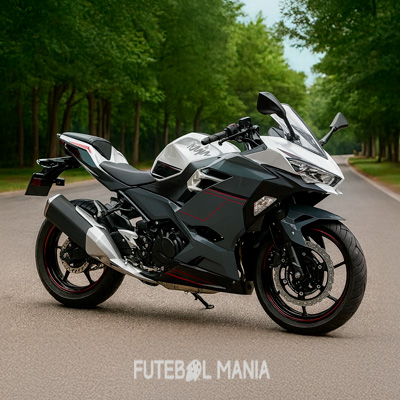
The base Kawasaki Ninja 400 cost in 2025 typically starts around $5,700 to $6,200 depending on trim and location.
However, this number only tells part of the story. Buyers should also budget for additional expenses such as registration fees, dealer charges, taxes, and optional add-ons like ABS or upgraded paint schemes.
For financing, Kawasaki dealerships often partner with lenders to provide low APR promotional deals. These programs help riders make manageable monthly payments, making ownership accessible.
Discover the top motorcycle loan companies in the U.S.!

Variants and trims of the Kawasaki Ninja 400 ⚙️
The Kawasaki Ninja 400 is offered in multiple versions to appeal to different riders:
- Standard Ninja 400: Entry-level trim offering all the essential features, available with or without ABS.
- Ninja 400 KRT Edition: Features Kawasaki Racing Team-inspired graphics for sportier styling.
- Special Edition Models: Sometimes include accessories like frame sliders, tank pads, or premium color schemes.
The trim chosen will impact the Kawasaki Ninja 400 cost, with special editions costing around $200–$400 more than the base model.
Technical specifications and performance details 🏍️
At the heart of the Kawasaki Ninja 400 is a 399cc parallel-twin engine. It provides the perfect blend of efficiency and excitement:
| Specification | Kawasaki Ninja 400 2025 |
| Engine | 399cc liquid-cooled |
| Horsepower | ~47 hp |
| Torque | ~28 lb-ft |
| Transmission | 6-speed w/ assist |
| Curb Weight | ~366 lbs |
| Seat Height | 30.9 inches |
| Fuel Economy | ~50–55 mpg |
These specs make the Ninja 400 suitable for both city commuting and weekend canyon rides. Its lightweight chassis and forgiving handling give new riders confidence.
See ownership costs beyond the initial purchase 📊
When considering the Kawasaki Ninja 400 cost, ongoing ownership expenses are just as important as the price tag:
- Insurance: On average, around $400–$600 annually, depending on rider profile and location.
- Maintenance: Oil changes, tire replacements, and chain adjustments typically cost $300–$500 per year.
- Fuel: With excellent mileage, riders can expect affordable fuel costs compared to larger sport bikes.
- Registration and taxes: Vary by state but usually add a few hundred dollars annually.
These predictable costs reinforce why the Ninja 400 is such a popular choice for riders entering the sport bike market.
Discover how Yamaha R3 financing opens the door to owning a sportbike designed for both beginners and seasoned riders.
Compare with rival motorcycles 📊
| Model | Starting Price | Horsepower |
| Ninja 400 | $5,700–$6,200 | ~47 hp |
| Yamaha R3 | $5,500–$6,100 | ~42 hp |
| RC 390 | $5,800–$6,300 | ~44 hp |
| CBR500R | $7,200–$7,800 | ~47 hp |
Financing the Kawasaki Ninja 400 in 2025 💳
Kawasaki dealerships often work with financial institutions to provide buyers with flexible loan terms. Typical offers include:
- APR rates between 5–7% for buyers with good credit.
- Loan terms ranging from 24 to 60 months.
- Options for zero-down financing during promotional periods.
These options allow riders to adjust their monthly payments according to budget, making the Ninja 400 attainable for a wide audience.
Learn the long-term ownership advantages 🌟
The Kawasaki Ninja 400 cost becomes more appealing when viewed as a long-term investment. Benefits include:
- Durability: Kawasaki engines are well-regarded for longevity.
- Resale value: The Ninja 400 holds value better than many beginner bikes, often reselling at 60–70% of original price after several years.
- Versatility: Suitable for beginners and still enjoyable for experienced riders.
- Affordability: Both purchase price and maintenance costs are lower than larger sport bikes.
These factors combine to make the Ninja 400 one of the smartest buys in the motorcycle market.
Is the Kawasaki Ninja 400 cost worth it? 🛣️
The Kawasaki Ninja 400 cost in 2025 offers exceptional value. With a competitive starting price, low maintenance expenses, and excellent resale value, it is a motorcycle that makes financial sense.
Add in its strong performance, attractive styling, and trusted Kawasaki engineering, and the Ninja 400 stands out as a sport bike that delivers far more than its price suggests.
FAQ ❓
- How much does the Kawasaki Ninja 400 cost in 2025?
- Prices typically range from $5,700 to $6,200, depending on trim and location.
- Prices typically range from $5,700 to $6,200, depending on trim and location.
- What engine does the Ninja 400 have?
- It features a 399cc parallel-twin engine producing around 47 hp.
- It features a 399cc parallel-twin engine producing around 47 hp.
- Is the Ninja 400 a good beginner bike?
- Yes, it is considered one of the best starter motorcycles thanks to its manageable power and lightweight design.
- Yes, it is considered one of the best starter motorcycles thanks to its manageable power and lightweight design.
- How does the Kawasaki Ninja 400 compare to rivals?
- It offers more horsepower than the Yamaha R3 and KTM RC 390 at a similar cost, making it highly competitive.
- It offers more horsepower than the Yamaha R3 and KTM RC 390 at a similar cost, making it highly competitive.
- What are the ongoing ownership costs?
- Expect to spend on insurance, maintenance, fuel, and registration, averaging $1,000–$1,200 annually.
- Expect to spend on insurance, maintenance, fuel, and registration, averaging $1,000–$1,200 annually.
