
All Versions of the Hyundai Tucson: See Which One Is the Best Choice for You
Before making your decision, take a closer look at all versions of the Hyundai Tucson if you are looking for the ideal SUV to fit your lifestyle. Read on to discover the technical differences and highlights of all versions of the Hyundai Tucson—so you can confidently choose the one that fits your needs.
Known for its innovative design, strong performance, and advanced technology, the Tucson is one of the most popular choices in the compact SUV segment. With multiple trims available, each version delivers a unique combination of features, power, and comfort.
Why It’s Important to Understand All Versions of the Hyundai Tucson 🚗
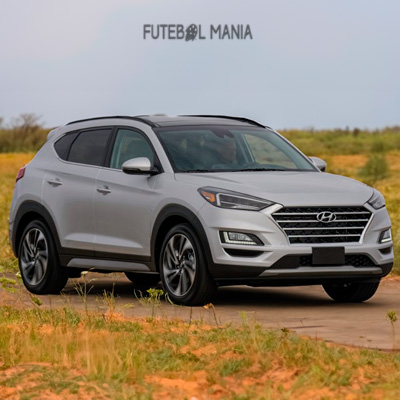
Hyundai has built a reputation for offering well-structured model lineups, and the Tucson is no exception. Understanding all versions of the Hyundai Tucson helps you choose the right balance between technology, performance, fuel efficiency, and comfort.
From base configurations designed for efficiency to high-end models packed with premium features, the Tucson lineup delivers flexibility for every kind of driver.
Entry-Level Tucson: Solid Engineering for Everyday Driving 🛣️
The entry-level Tucson typically comes equipped with a 2.0L MPI (Multi-Point Injection) naturally aspirated engine, producing 167 horsepower at 6,200 rpm and 20.6 kgf·m of torque at 4,700 rpm. It uses a 6-speed automatic transmission, which offers smooth gear transitions and is tuned for fuel efficiency and urban drivability. The drivetrain is front-wheel drive (FWD), which supports traction and handling in city conditions.
This version is fitted with 17-inch alloy wheels, disc brakes on all four wheels, and McPherson front suspension paired with multi-link rear suspension, providing a comfortable and controlled ride. Inside, the cabin includes manual air conditioning, a basic analog-digital instrument panel, and an 8-inch touchscreen with Apple CarPlay and Android Auto.
Its fuel economy averages about 9.5 km/l in the city and 13.5 km/l on the highway, making it one of the more efficient options among all versions of the Hyundai Tucson.
Mid-Range Tucson: Well-Rounded Performance and Comfort ⚖️
For drivers looking for more comfort and smart features, the mid-range Tucson offers a significant step up. Still powered by the 2.0L MPI engine, this version maintains the same 167 horsepower and 6-speed automatic transmission, but the difference lies in refinement and technology.
This version includes enhancements like 18-inch alloy wheels, a more advanced rearview camera with dynamic guidelines, fog lights, and improved sound insulation. Suspension settings are slightly firmer to handle the added equipment weight, without sacrificing comfort. On the inside, you’ll find higher-quality seat fabrics or synthetic leather, automatic digital climate control, and an upgraded infotainment system with a 10.25-inch touchscreen.
This trim also often includes more advanced features like keyless entry with push-button start, rear USB ports, and customizable digital displays. While fuel economy remains close to the entry-level version, you’ll gain better comfort for passengers and added convenience for long trips.
Among all versions of the Hyundai Tucson, the mid-range stands out as the most balanced, providing just the right amount of sophistication, performance, and pricing.
Top-Tier Tucson: Turbocharged Power and Cutting-Edge Technology 💎
At the top of the range, the most complete version of the Tucson is equipped with a 1.6L GDI (Gasoline Direct Injection) turbocharged engine, which delivers 177 horsepower at 5,500 rpm and 27.0 kgf·m of torque from just 1,500 rpm, paired with a 7-speed dual-clutch automatic transmission (DCT). This version is available in both FWD and All-Wheel Drive (AWD) configurations, depending on the market and package.
Acceleration is much more responsive thanks to the early torque delivery, and the DCT gearbox ensures quicker, more precise shifts. The top-tier Tucson also comes with 19-inch alloy wheels, LED headlights and taillights, automatic high beams, and a refined exterior design with chrome and gloss black accents.
Inside, the cabin transforms into a premium space with leather seats, a fully digital 10.25-inch instrument cluster, ambient lighting, and a premium audio system. Comfort features include dual-zone automatic climate control, ventilated and heated front seats, a panoramic sunroof, and powered driver’s seat with memory function.
Most importantly, this version includes Hyundai SmartSense, a comprehensive safety suite that brings features like adaptive cruise control with stop-and-go, lane-keeping assist, blind-spot monitoring, rear cross-traffic alert, and autonomous emergency braking. Among all versions of the Hyundai Tucson, this top-tier model offers the most advanced driver assistance and connectivity features.
Fuel efficiency remains impressive, averaging 8.5 km/l in the city and 12.5 km/l on the highway, especially considering its performance capabilities.
How Technology and Comfort Improve Across All Versions of the Hyundai Tucson 🧠
As you move up the Tucson lineup, the technological experience inside the cabin evolves dramatically. In the entry-level trim, you’ll find core connectivity like Bluetooth and smartphone mirroring, while the mid-range version introduces integrated navigation, enhanced media interfaces, and more USB ports.
The top-tier trim turns the cockpit into a command center, with voice recognition, surround-view camera, remote vehicle start, and even wireless charging pads.
Comfort also progresses in a meaningful way. Lower trims use manually adjustable seats and cloth materials, while higher trims offer power-adjustable seating, leather surfaces, and noise-reduction engineering.
These enhancements make a big difference in long-term driving satisfaction, especially if you spend hours behind the wheel or frequently travel with passengers.
Performance and Suspension Tuning Tailored to Each Version ⚙️
Performance is not just about horsepower. Each version of the Tucson is tuned to deliver a driving experience that aligns with its target user. The entry-level version features a suspension setup optimized for comfort and fuel economy. The mid-range version maintains comfort while improving cornering stability. The top-tier version, with its turbo engine and DCT, benefits from a sportier suspension calibration, giving drivers a more dynamic and responsive feel.
While all versions offer electric power steering, the top-tier version adjusts steering weight based on driving mode—Normal, Eco, or Sport—allowing for a more personalized driving dynamic.
Choosing the Right Version Among All Versions of the Hyundai Tucson 🔍
Selecting the right Tucson depends on how you prioritize your needs. If you’re primarily commuting within the city and want to keep things simple and affordable, the entry-level Tucson will meet those needs with solid performance and reliability.
If your lifestyle demands a bit more comfort, tech, and versatility, the mid-range version hits that sweet spot. And if you want the full experience—combining premium features, advanced safety, and performance—the top-tier version of the Tucson will deliver that and more.
Final Verdict: All Versions of the Hyundai Tucson Offer a Smart Investment 🏁
No matter which trim you choose, all versions of the Hyundai Tucson provide value, quality engineering, and the versatility you expect from a modern SUV. From dependable commuting to luxurious long-distance travel, Hyundai’s approach to the Tucson lineup ensures that every driver can find their perfect fit.
Claro! Aqui está uma seção de FAQ com 3 perguntas, mantendo a palavra-chave “all versions of the Hyundai Tucson” e com respostas bem explicativas e técnicas:
FAQ – All Versions of the Hyundai Tucson ❓
1. What are the main mechanical differences between all versions of the Hyundai Tucson?
- The entry-level and mid-range versions are equipped with a 2.0L naturally aspirated engine, delivering 167 hp and 20.6 kgf·m of torque, paired with a 6-speed automatic transmission. The top-tier version, however, features a 1.6L turbocharged GDI engine with 177 hp and 27.0 kgf·m of torque, matched to a 7-speed dual-clutch transmission (DCT), offering quicker shifts and more dynamic performance.
2. Do all versions of the Hyundai Tucson offer advanced safety features?
- While the entry-level version includes standard safety equipment like airbags, ABS, and stability control, the mid-range and top-tier versions offer advanced driver assistance technologies. These include lane-keeping assist, blind-spot monitoring, rear cross-traffic alert, and in the top trim, adaptive cruise control and automatic emergency braking—all part of the Hyundai SmartSense suite.
3. How does fuel efficiency vary across all versions of the Hyundai Tucson?
- Fuel economy varies depending on the engine type. The 2.0L engine used in the base and mid-range versions delivers approximately 9.5 km/l in the city and 13.5 km/l on the highway. The 1.6L turbo engine in the top-tier model provides around 8.5 km/l in the city and 12.5 km/l on the highway, offering slightly more power with a small compromise in fuel efficiency.
